malahierba
![Notes, Imprints (On Love): Part II, Carmela | Alexandra Cuesta, 2020, 6 min, 16mm on digital – U.S., Ecuador]()
![Notes, Imprints (On Love): Part II, Carmela | Alexandra Cuesta, 2020, 6 min, 16mm on digital – U.S., Ecuador]()
![Notes, Imprints (On Love): Part II, Carmela | Alexandra Cuesta, 2020, 6 min, 16mm on digital – U.S., Ecuador]()
![Notes, Imprints (On Love): Part II, Carmela | Alexandra Cuesta, 2020, 6 min, 16mm on digital – U.S., Ecuador]()
![Installation views]()
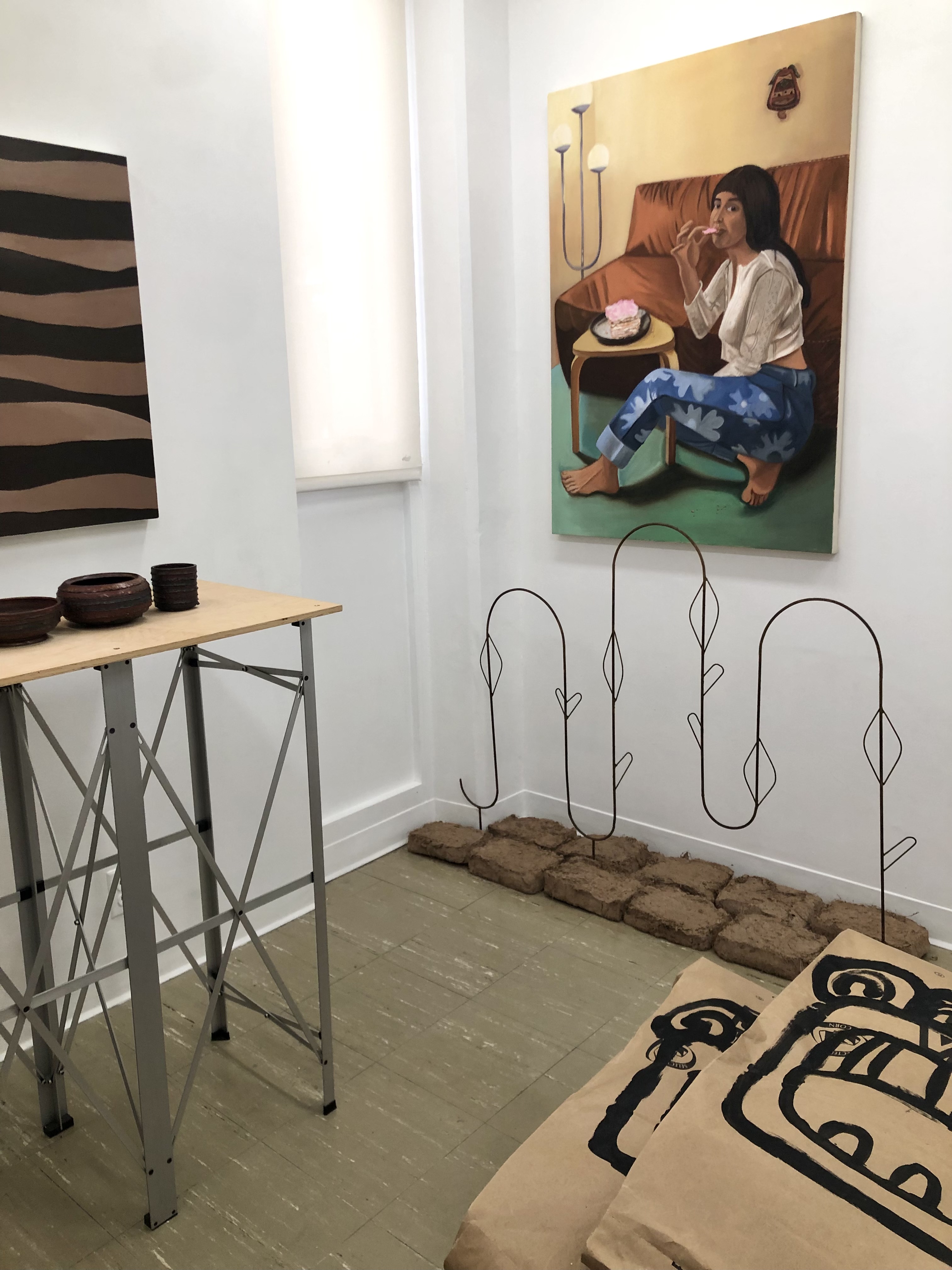
![backgorund: West Adams | Katie Mejía Steel rods, dirt mixed with clay powder (2024)]()
![Isaac Covarrubias]()
![Sin Miedo | Cynthia Ortega Acrylic on canvas (2024);]()
![Notes, Imprints (On Love): Part II, Carmela | Alexandra Cuesta, 2020, 6 min, 16mm on digital – U.S., Ecuador]()
![West Adams | Katie Mejía Steel rods, dirt mixed with clay powder (2024)]()
![Mil Hojas | Katie Mejía Painting (2024); West Adams | Katie Mejía Steel rods, dirt mixed with clay powder (2024);]()
![Mi Bandera | David Rubacalva Acrylic on canvas (2025); Hasta la Raíz | Cindy Velázquez Ceramic set (2025)]()
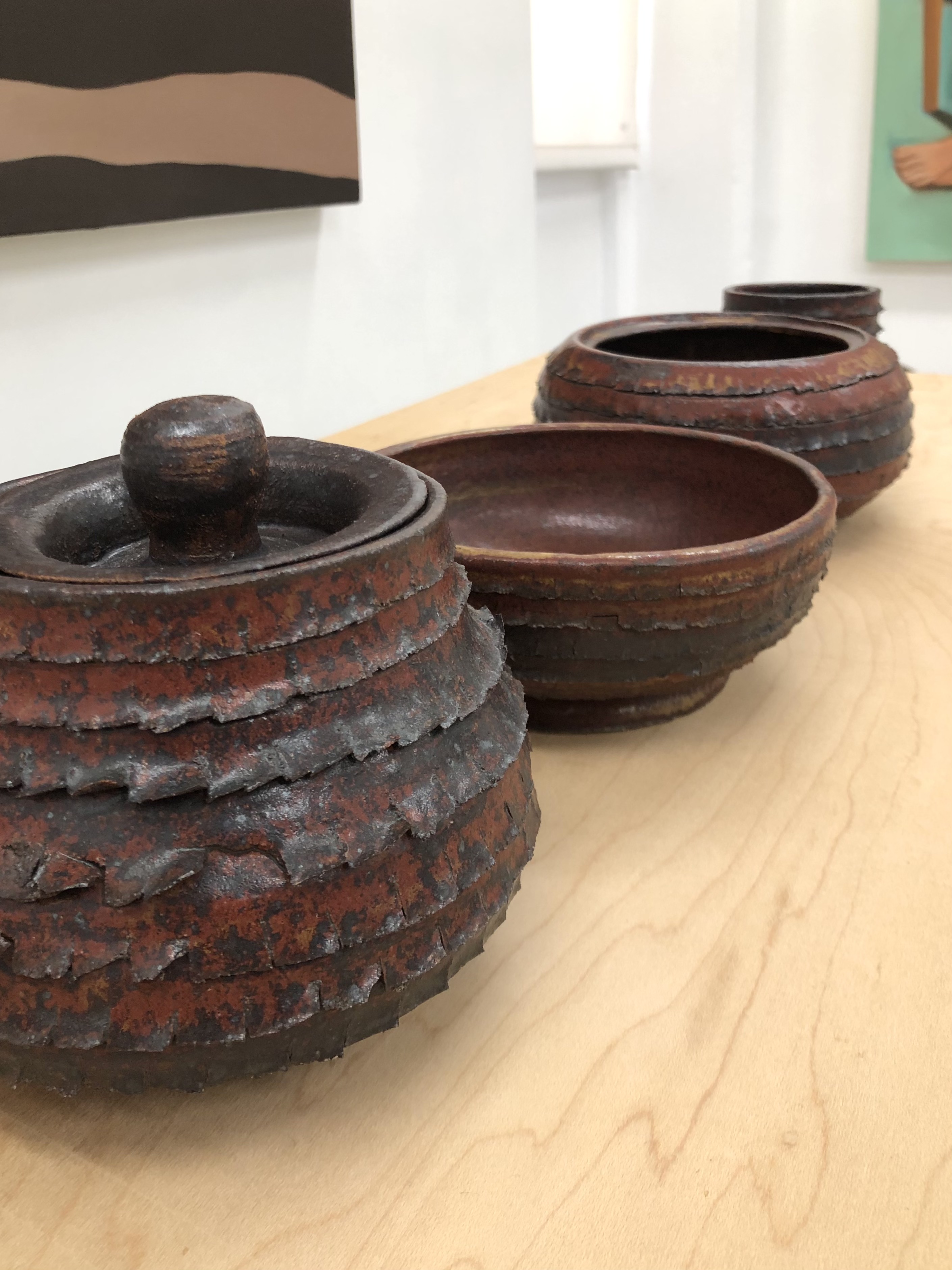
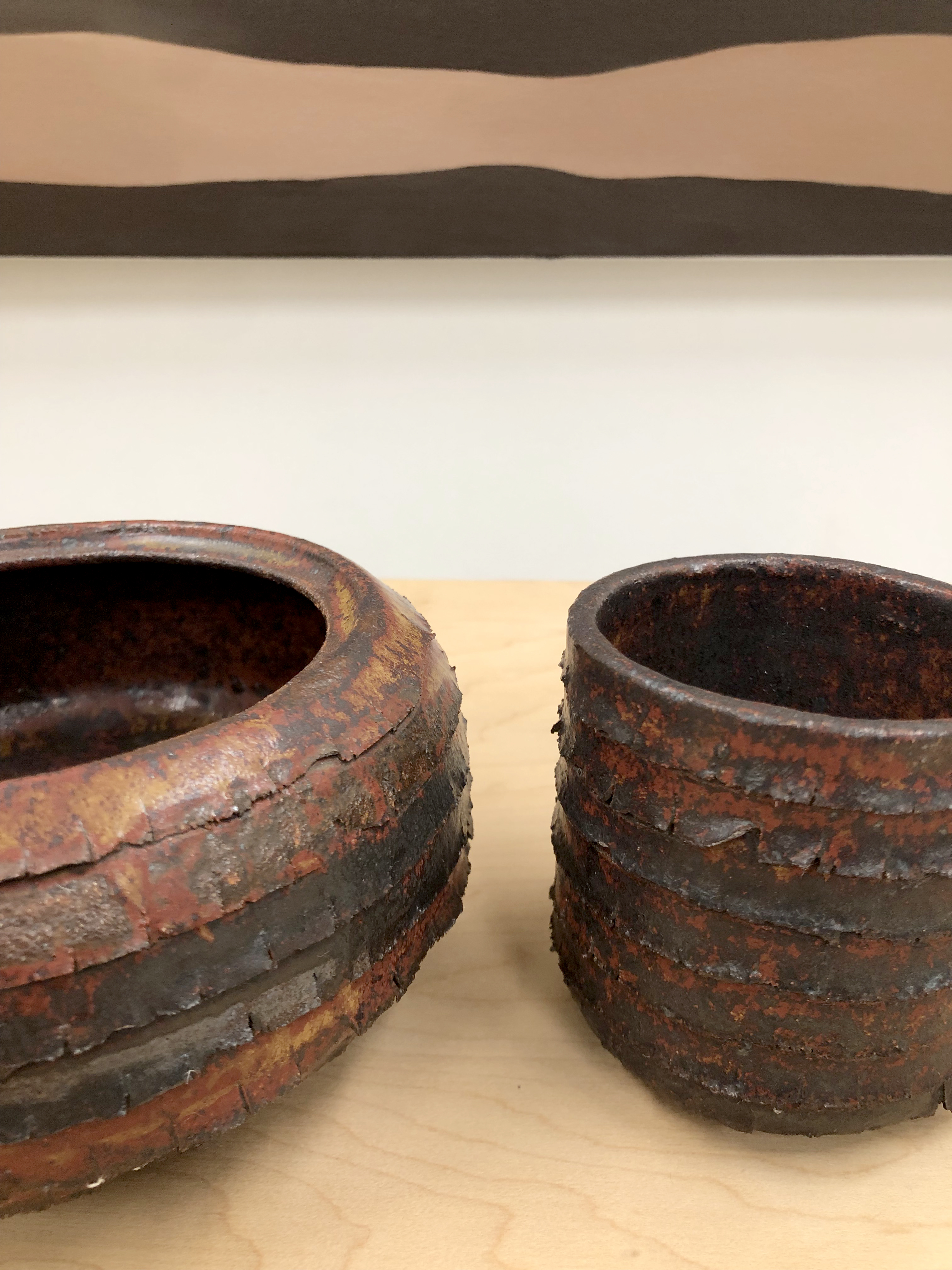
![Hasta la Raíz | Cindy Velázquez Ceramic set (2025)]()
![Hasta la Raíz | Cindy Velázquez Ceramic set (2025)]()
![Hasta la Raíz | Cindy Velázquez (2025)]()
![Mama, Tia Toña, Tia Estella, y Eduardo Jr. (Nispero 1) | Gabe Medina (2025)]()
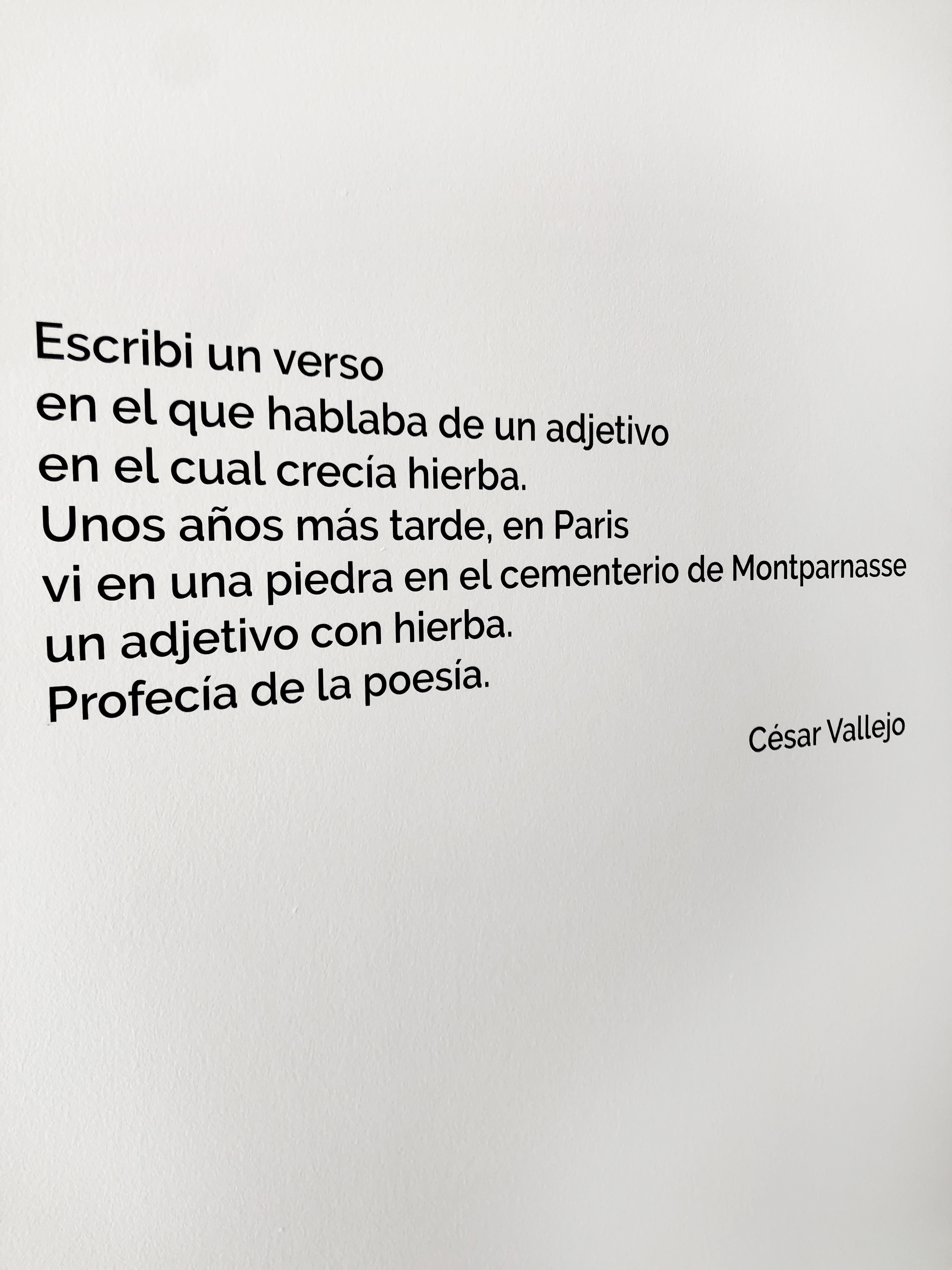
![Poem | César Vallejo (part of a publication titled Carnets)]()
![Poem | César Vallejo (part of a publication titled Carnets)]()








April 24 2025 - September 30 2025
Opening April 24 2025
5:00pm - 7:00pm
Isaan Covarrubias
Alexandra Cuesta
Gabe Medina
Katie Mejía
Cynthia Ortega
David Rubalcava
César Vallejo
Cindy Velázquez
Curated by Iris Natividad
malahierba
Text by Kelsey Lonewarrior-Beck, CSUDH Art History Student
Before entering the art space, Office Hours, I came upon a poem on the wall by Peruvian poet César Vallejo. It concluded with the line, “Profecia de la poesia.” or “Prophesy of poetry”. I couldn’t help but consider the implications of this prior to going inside. I was struck with the idea of how many different art forms speak volumes about the past, present and future, in this case, within the Latinx community. I had the fears on the topic of citizenship in present times. With this in mind, I entered the space.
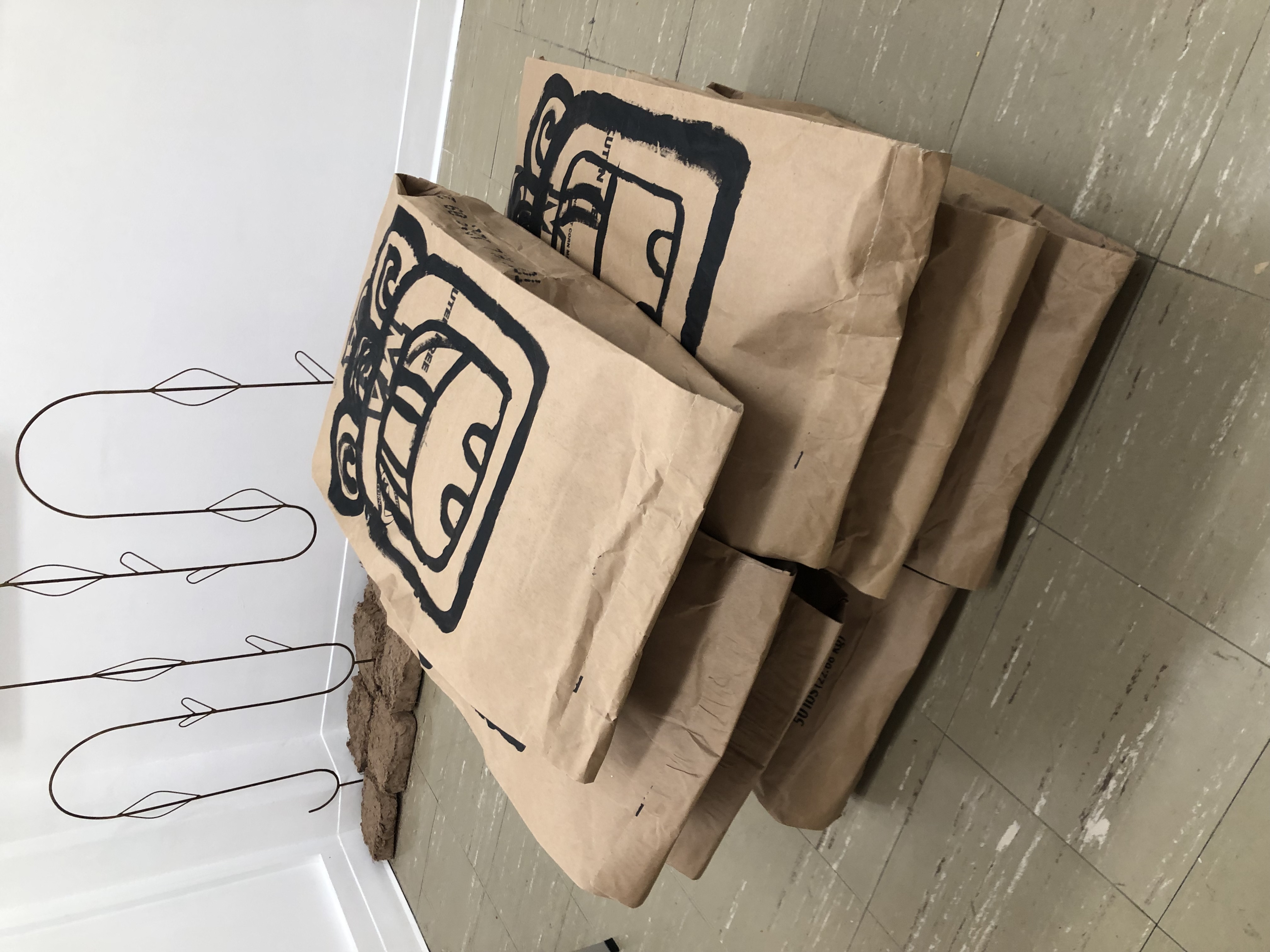
At first glance, my eyes were drawn to the sculpture in the center of the room, B'en (2025) by Cindy Velázquez. The sculpture consisted of large bags of corn with ancient Mayan symbols painted on them. The piece is a combination of ancient and new, underscoring how corn for the Maya was an integral part of their society. Directly to the left of this work was Velázquez’s ceramic set Hasta la Raíz (2025). Though created in 2025, they have a sense of antiquity to them. This makes more sense when I discovered “Hasta la Raíz” translates to “down to the root” giving insight into a deeper meaning within the vessels.
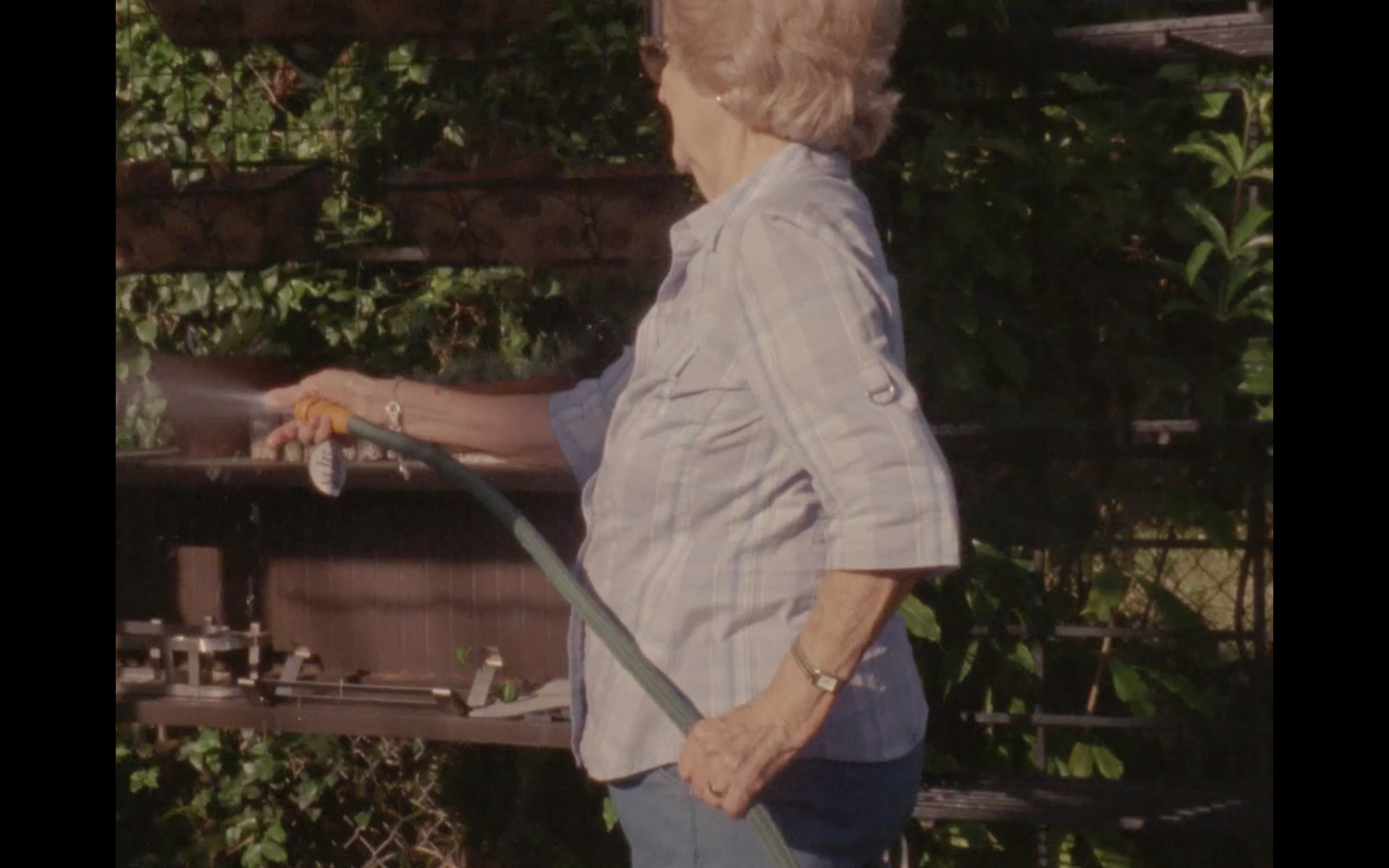
A short film played on a screen directly to the left as I entered the gallery space. The film was Notes, Imprints (On Love): Part II (2020), Carmela, created by Alexandra Cuesta. The focus was the artist’s grandmother and showed little pieces of her life. The film contained segments which included her garden as well as recipes for her herbal home remedies. Paired with music which transmitted sense of calmness, reminding of ancestors and how they have passed on traditions and knowledge.
To the left of the screen I came upon two works by the artist Isaac Covarrubias. Through the Lens (2023) was a mixed media piece of a camera lens with an image of someone within and/or reflected in it. It appears as if it may be a self-portrait. The figure looks as if they are deep in thought and captured at just the right moment. His next work, Adjust (2025), is a textile sculpture, a blue mass which is filled to the seams with orange appendages coming out of it. This work gives me a sense of coming out of a cocoon, and made me wonder where the appendages were going and why they were going there.
A painting by Cynthia Ortega titled Sin Miedo (2024) embraces neo surrealism within this work. The figure is painted staring straight at the viewer with a silhouette of a snake across her face. The feeling of strength is in abundance through their gaze. There is also a heart which is outside her body in the center of her chest. The color scheme is simple and yet impactful. As the title suggests, the woman appears fearless (sin miedo) in a situation which would drive a lot of people into a panic.
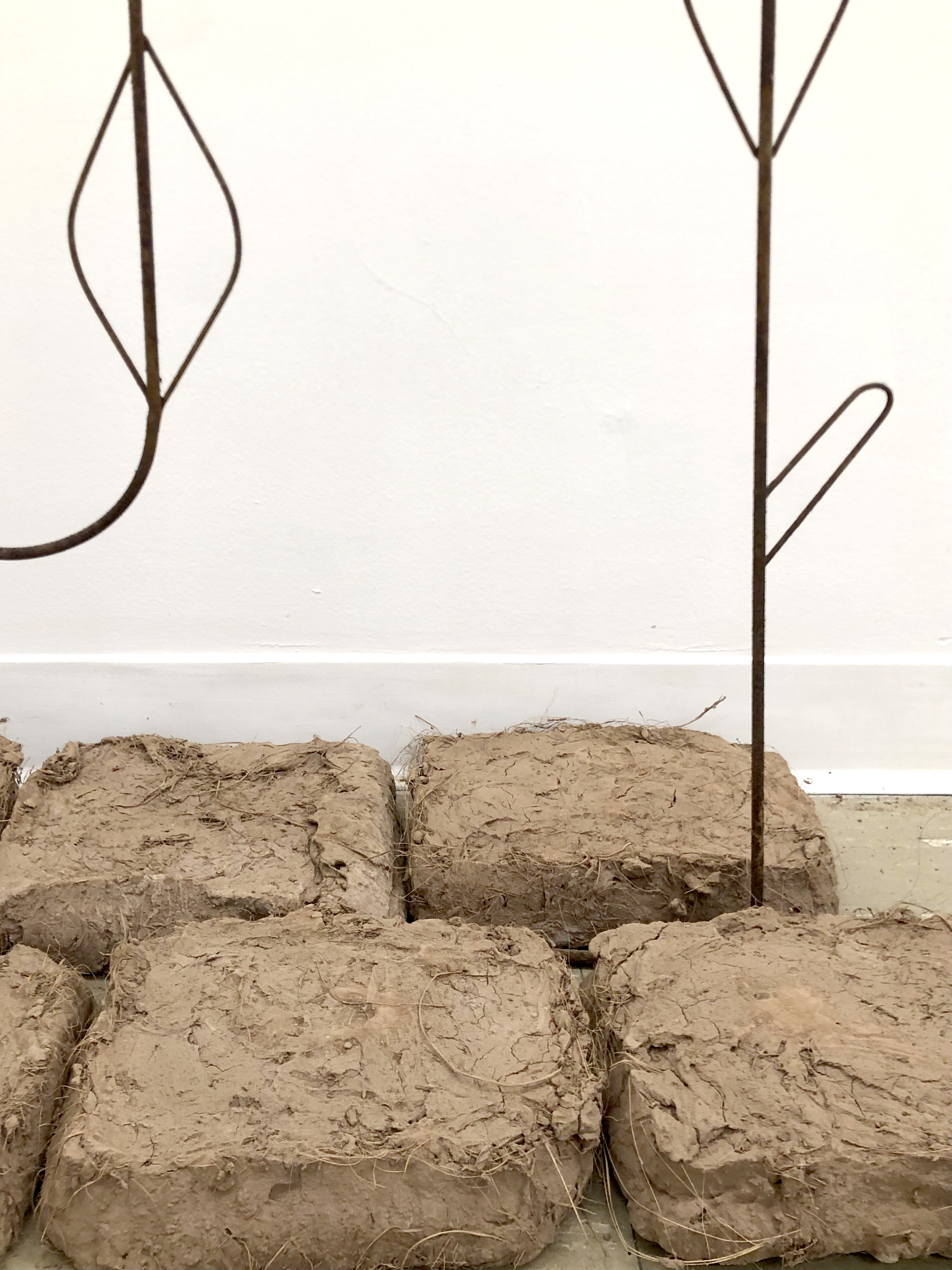
Continuing on, I came upon two pieces created by Katie Mejía. On the wall, there was a painting featuring a figure eating in what appears to be a living room. The title, Mil Hojas (2024), directly references the type of dessert being eaten. The figure looks at the viewer playfully. Directly underneath was Mejía’s second work, a sculpture called West Adams (2024), a direct reference to the Los Angeles neighborhood which has a large Latinx population. The adobe bricks look as if they could have been made in ancient times with contemporary metalwork on top.
On the wall opposite the short film was David Rubalcava’s work, Mi Bandera (2025). I found this piece to be a bold statement, especially in times like these. It is a painting of the American flag but with the stripes painted in two different shades of brown versus red and white. Though it may have appeared to be simple, the narrative made me question who really can draw a clear conclusion of what “Americanness” really looks like, or what it is supposed to be.
The conclusion of my viewing was Mama, Tia Toña, Tia Estella, y Eduardo Jr. (Nispero 1) (2025), a mixed-media piece hanging on the wall. The work, created by the artist Gabe Medina, has two sculptural elements of fruit which sit on a blue background. When I took a closer look, I noticed the background was composed of imagery from old family photographs. It felt like I was looking at different aspects of history through these figures as well as through the plant life represented.
The exhibition Malahierba, led me through multiple works created by Latinx artists in which the sense of identity is a central theme. Through multiple lenses, I was overcome with a sense of pride and heart that went into these works. At a time of uncertainty, different perspectives come together in collectivity, exemplifying the message: “mala hierba nunca muere.”